
Damaskus
Artikel penuh tersedia dalam bahasa Arab dan Inggris
Why it matters
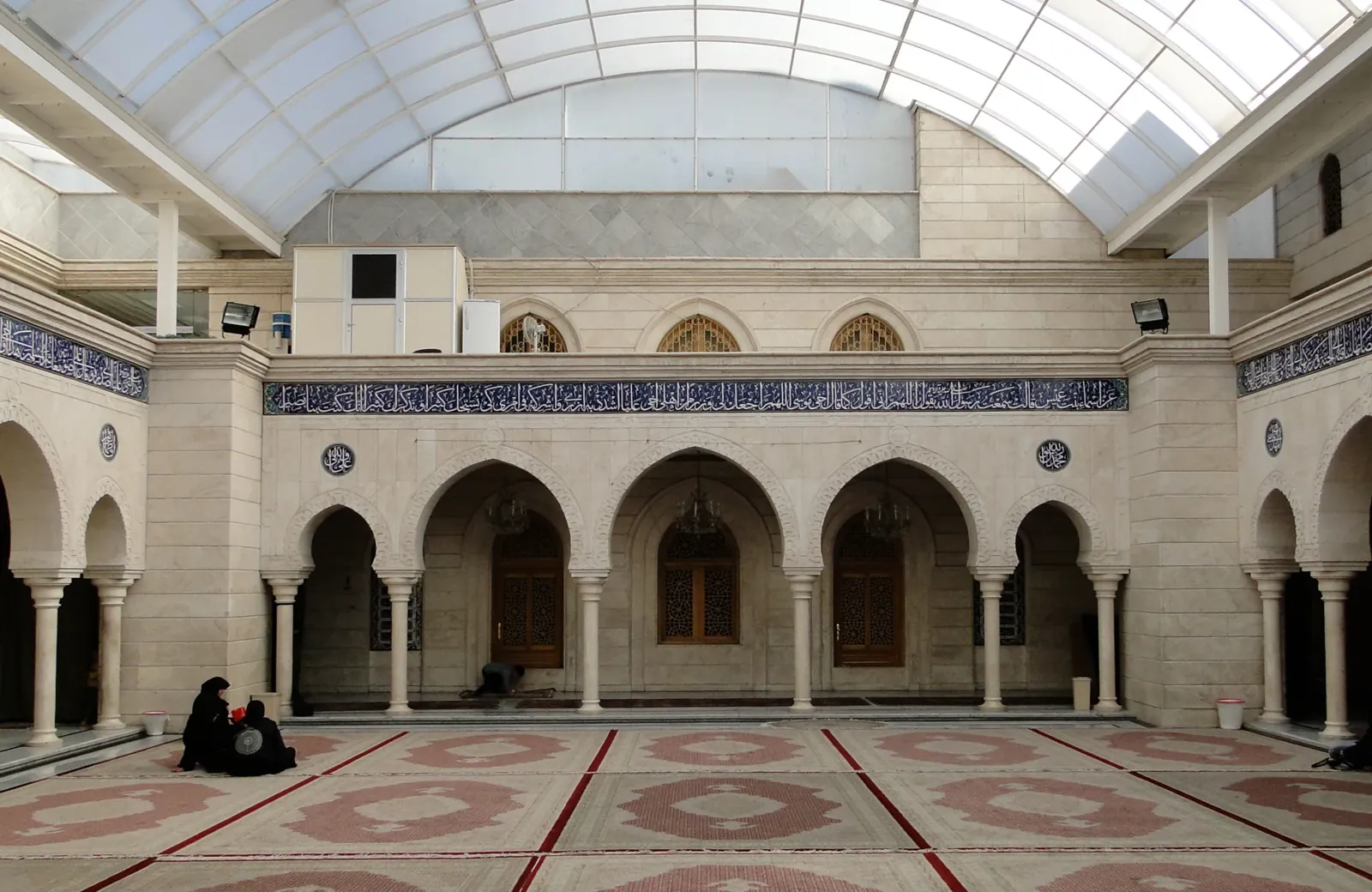
The shrine of Sayyida Ruqayya in Old Damascus is traditionally associated with a young daughter of al-Husayn, the Prophet’s grandson. For many visitors, especially within Shi‘i tradition, it gives a deeply personal focus to the remembrance of Karbala: the suffering of children and the experience of the Prophet’s family after the battle.
Historical context
Accounts differ over the child’s identity, name and the details of her story. The shrine should therefore be introduced as a living devotional tradition, with its historical uncertainties made clear. Its richly decorated contemporary interior belongs to the later history of the site; it should not be presented as an unchanged seventh-century room.
Your visit
The location can be combined with a walk through the lanes near the Umayyad Mosque. Where entry is available, observe the decorative work and the way visitors use the space, quietly and without intruding on grief or prayer. A respectful guide explains what the tradition means to devotees while keeping disputed biography separate from established history.
Makam yang dinisbatkan menurut tradisi
Makna penisbatan situs
Makam yang dinisbatkan menurut tradisi. Keberadaan maqam tidak dengan sendirinya membuktikan adanya makam. Karena itu, setiap kartu dan halaman menjelaskan klasifikasi sejarahnya serta membedakan bukti tertulis dari tradisi keagamaan yang hidup.
Adab berkunjung
Kenakan pakaian yang sopan. Hormati waktu salat dan arahan pengelola situs; mintalah izin sebelum memotret orang yang beribadah atau pengunjung.
Kondisi dan akses
Waktu buka dan persyaratan pakaian diperiksa secara lokal. Kunjungan hanya dimasukkan setelah jam buka, akses, dan kondisi rute diperiksa secara lokal berdasarkan informasi terbaru.
