
Damaskus
Die volledige artikel is beskikbaar in Arabese en Engelse.
Why it matters
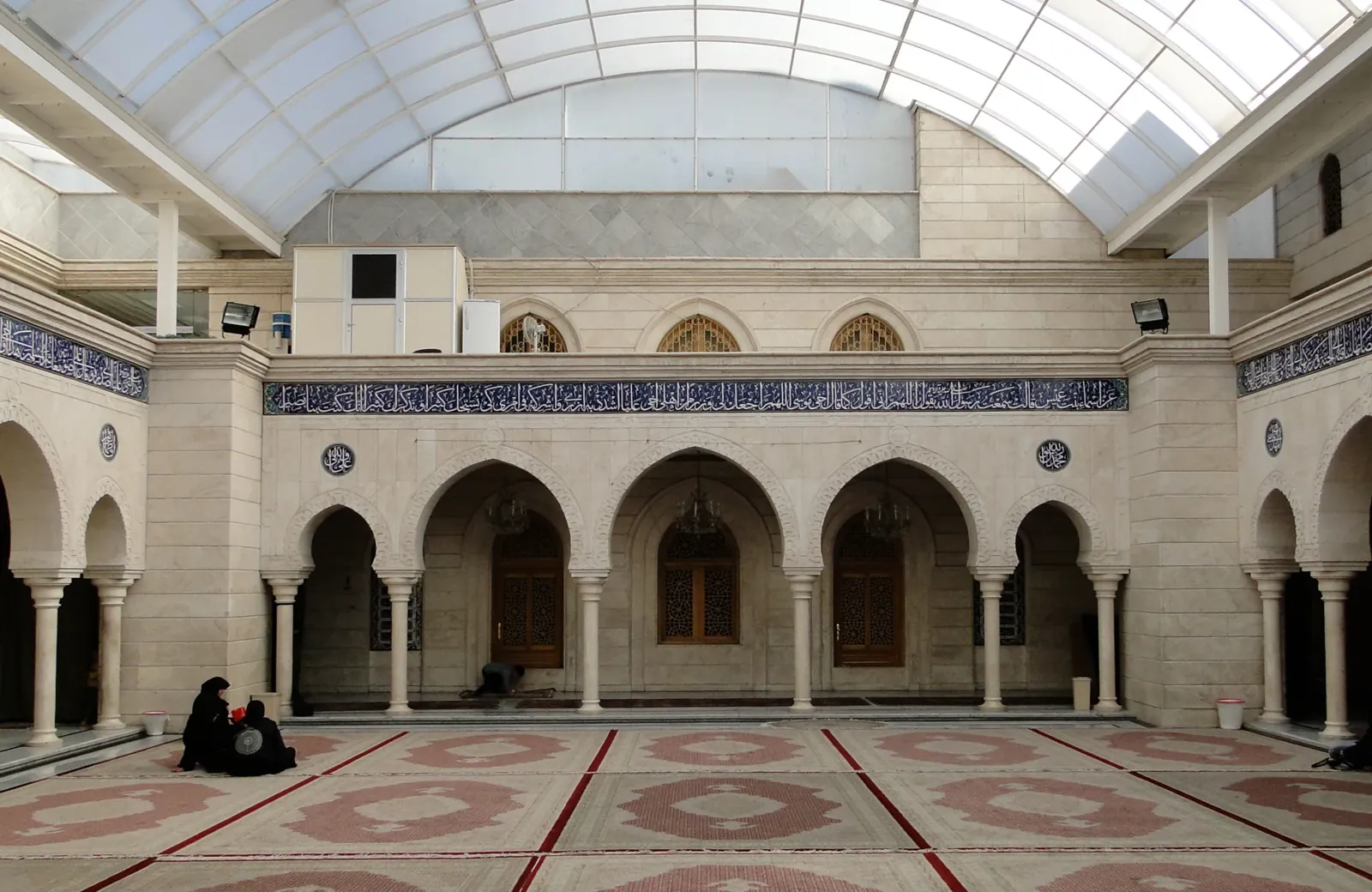
The shrine of Sayyida Ruqayya in Old Damascus is traditionally associated with a young daughter of al-Husayn, the Prophet’s grandson. For many visitors, especially within Shi‘i tradition, it gives a deeply personal focus to the remembrance of Karbala: the suffering of children and the experience of the Prophet’s family after the battle.
Historical context
Accounts differ over the child’s identity, name and the details of her story. The shrine should therefore be introduced as a living devotional tradition, with its historical uncertainties made clear. Its richly decorated contemporary interior belongs to the later history of the site; it should not be presented as an unchanged seventh-century room.
Your visit
The location can be combined with a walk through the lanes near the Umayyad Mosque. Where entry is available, observe the decorative work and the way visitors use the space, quietly and without intruding on grief or prayer. A respectful guide explains what the tradition means to devotees while keeping disputed biography separate from established history.
Graf volgens oorlewering toegeskryf
Wat die toeskrywing beteken
Graf volgens oorlewering toegeskryf. ’n Maqam bewys nie op sigself dat iemand daar begrawe is nie. Elke kaart en bladsy gee daarom die historiese klassifikasie en onderskei gedokumenteerde geskiedenis van lewende geloofstradisie.
Besoekersetiket
Dra beskeie klere. Respekteer gebedstye en die aanwysings van die terrein se bewaarders; vra toestemming voordat jy aanbidders of besoekers afneem.
Toestand en toegang
Openingsuur en klere vereistes word lokaal gecontroleer. ’n Besoek word slegs ingesluit ná onlangse plaaslike kontrole van openingstye, toegang en roetetoestande.
