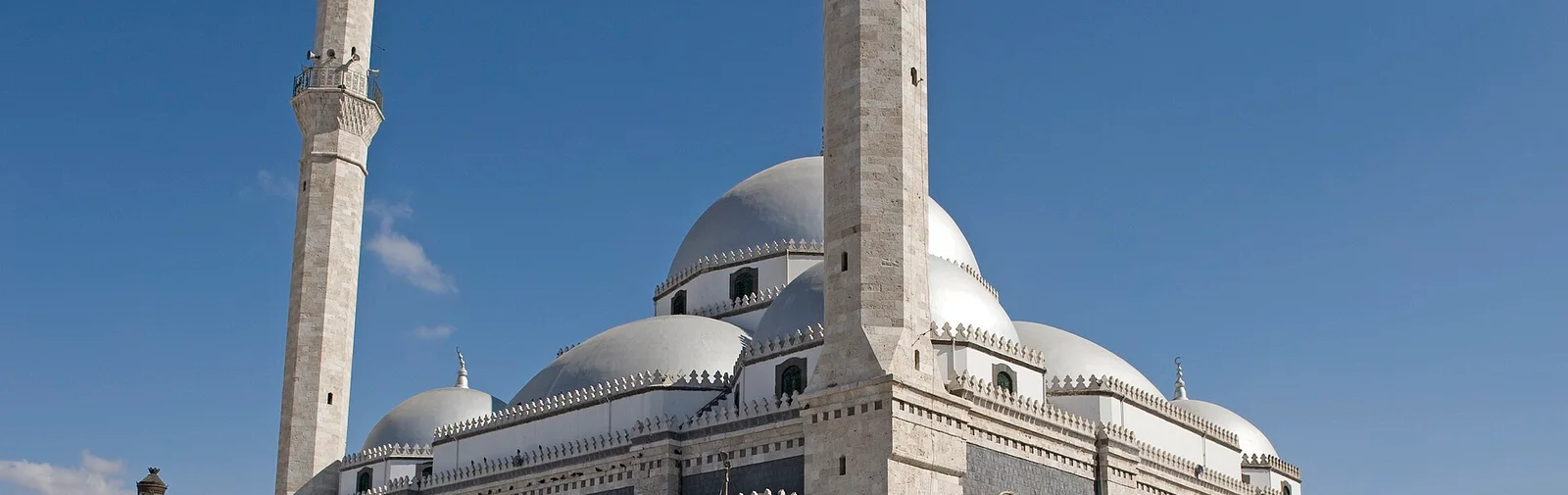
Damascus
Het uitgebreide artikel is beschikbaar in het Arabisch en Engels
Why it matters
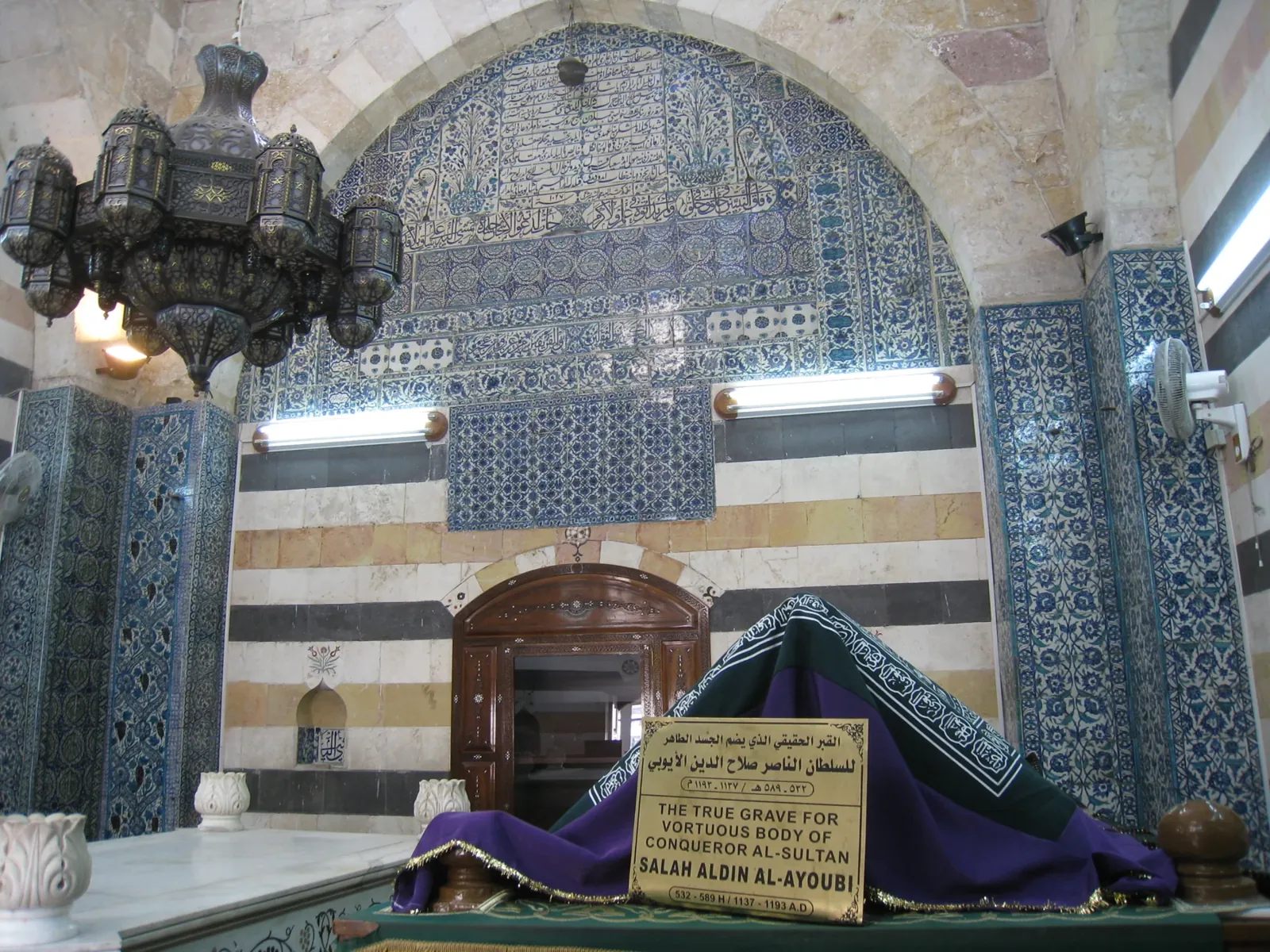
Salah al-Din al-Ayyubi is remembered for founding the Ayyubid dynasty and recovering Jerusalem in 1187. He was a twelfth-century ruler, not a Companion of the Prophet. His mausoleum beside the Umayyad Mosque connects Damascus with a major chapter in Muslim political history and with the enduring memory of leadership, generosity and the struggle over Jerusalem.
Historical context
He died in Damascus in 1193. The modest scale of his mausoleum contrasts with his international reputation, making this a particularly powerful stop when its history is explained. Later patrons also contributed to the building and its furnishings. A visit should distinguish the life of Salah al-Din from later expressions of admiration and from romantic stories that are not securely documented.
Your visit
Combine the mausoleum with the Umayyad Mosque precinct, leaving time for its own explanation. Where the interior is accessible, examine the tomb setting and its later additions; exterior observation remains worthwhile if entry is restricted. The purpose is to understand a person and an era, not simply to collect another landmark photograph.
Gedocumenteerde historische begrafenis
Wat de toeschrijving betekent
Gedocumenteerde historische begrafenis. Een maqam bewijst op zichzelf geen graf. Elke kaart maakt daarom onderscheid tussen documentatie en levende traditie.
Bezoekersetiquette
Bescheiden kleding is gewenst. Respecteer gebedstijden en aanwijzingen; vraag toestemming voor foto’s.
Staat en toegang
Openingstijden en kledingvoorschriften worden lokaal gecontroleerd. Een bezoek wordt pas opgenomen na lokale controle van tijden, toegang en route.