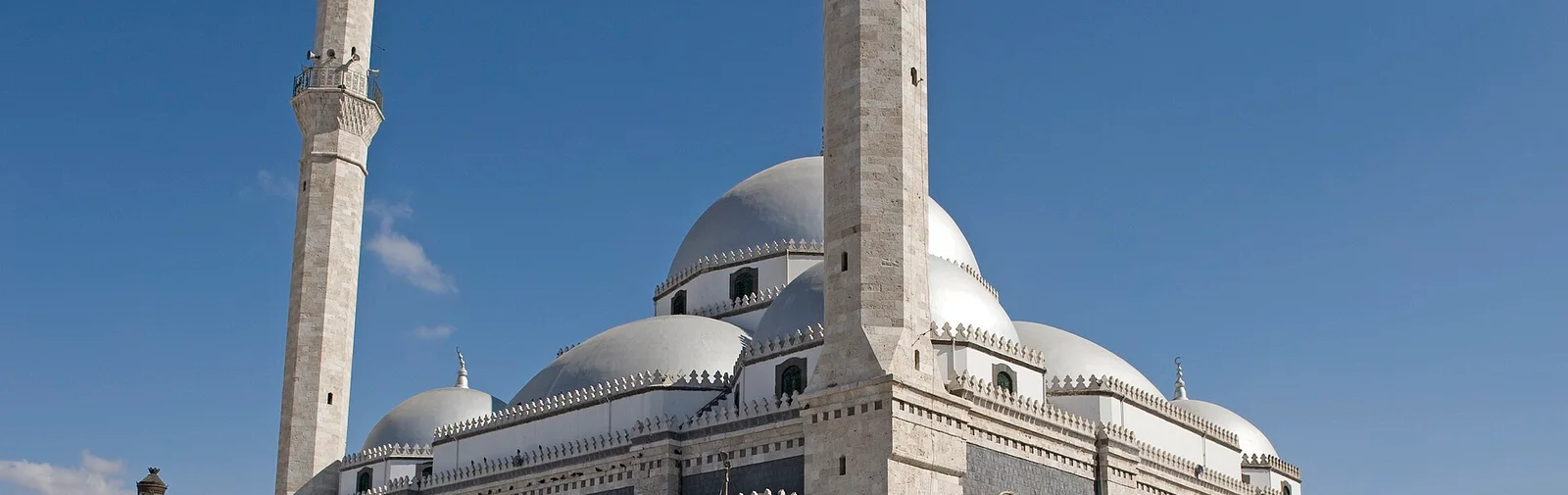
Damaskus
Die volledige artikel is beskikbaar in Arabese en Engelse.
Why it matters
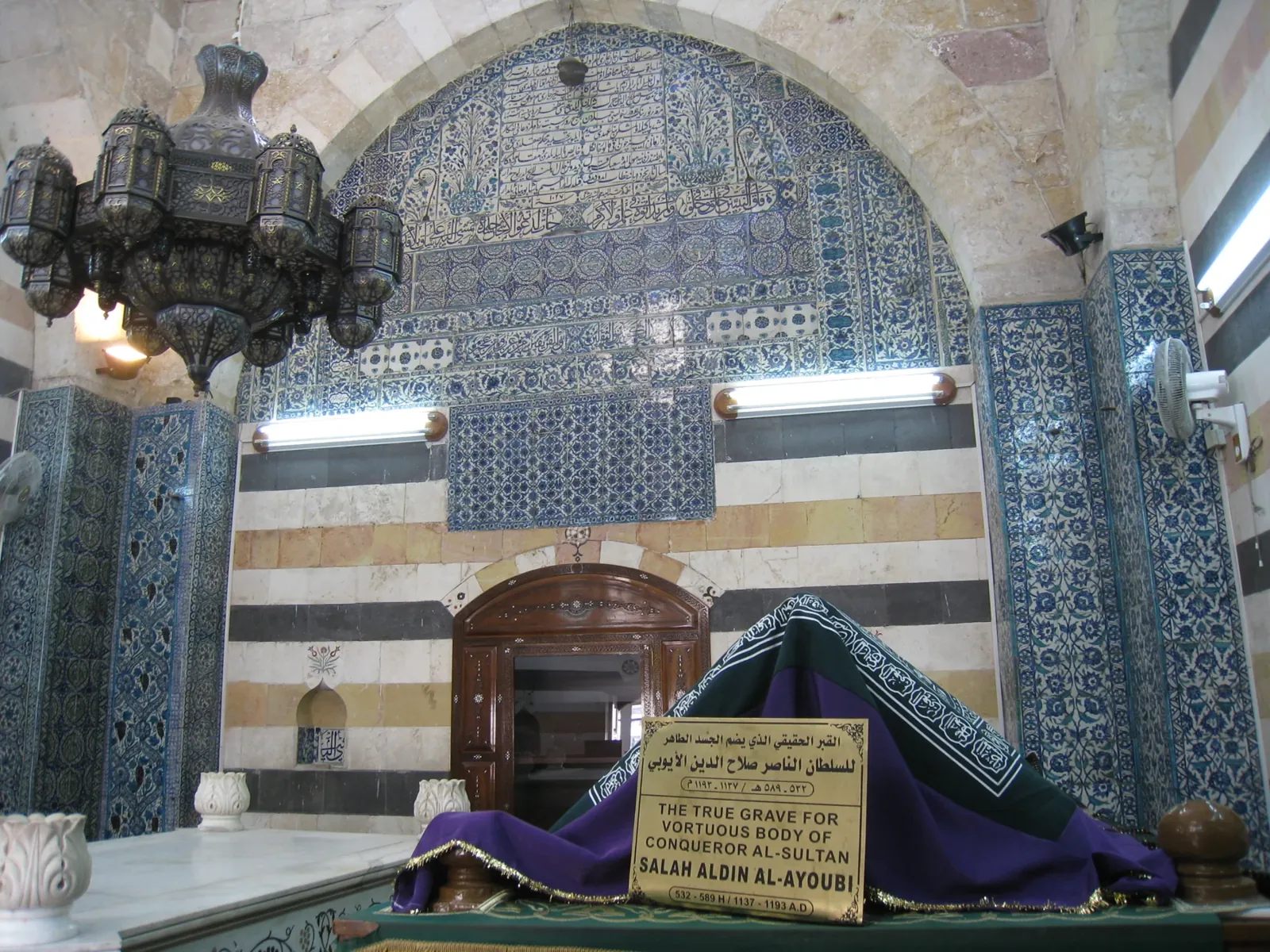
Salah al-Din al-Ayyubi is remembered for founding the Ayyubid dynasty and recovering Jerusalem in 1187. He was a twelfth-century ruler, not a Companion of the Prophet. His mausoleum beside the Umayyad Mosque connects Damascus with a major chapter in Muslim political history and with the enduring memory of leadership, generosity and the struggle over Jerusalem.
Historical context
He died in Damascus in 1193. The modest scale of his mausoleum contrasts with his international reputation, making this a particularly powerful stop when its history is explained. Later patrons also contributed to the building and its furnishings. A visit should distinguish the life of Salah al-Din from later expressions of admiration and from romantic stories that are not securely documented.
Your visit
Combine the mausoleum with the Umayyad Mosque precinct, leaving time for its own explanation. Where the interior is accessible, examine the tomb setting and its later additions; exterior observation remains worthwhile if entry is restricted. The purpose is to understand a person and an era, not simply to collect another landmark photograph.
Histories gedokumenteerde graf
Wat die toeskrywing beteken
Histories gedokumenteerde graf. ’n Maqam bewys nie op sigself dat iemand daar begrawe is nie. Elke kaart en bladsy gee daarom die historiese klassifikasie en onderskei gedokumenteerde geskiedenis van lewende geloofstradisie.
Besoekersetiket
Dra beskeie klere. Respekteer gebedstye en die aanwysings van die terrein se bewaarders; vra toestemming voordat jy aanbidders of besoekers afneem.
Toestand en toegang
Openingsuur en klere vereistes word lokaal gecontroleer. ’n Besoek word slegs ingesluit ná onlangse plaaslike kontrole van openingstye, toegang en roetetoestande.