دمشق
مکمل مضمون انگریزی اور عربی زبان میں دستیاب ہے۔
Why it matters
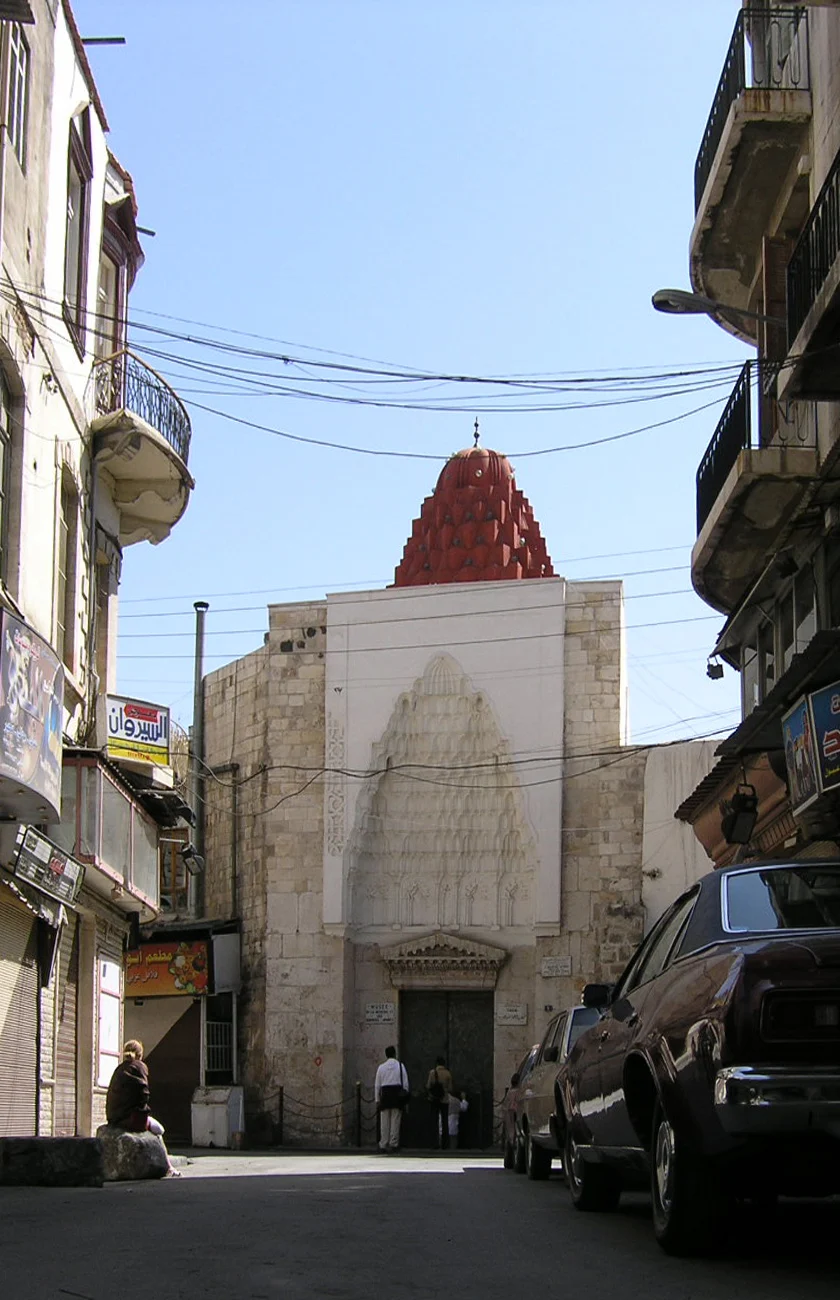
Founded in 1154 by Nur al-Din Mahmud ibn Zangi, this bimaristan opens a different window onto Islamic heritage: the care of the sick and the organisation of medical knowledge. A bimaristan was a hospital. Its presence in the heart of Damascus helps visitors see the city as a place of public service and learning, alongside its mosques and shrines.
Historical context
The building’s portal, courtyard and iwans give physical form to a medieval institution supported through charitable endowment. Its historical importance concerns both architecture and the practice of medicine. Discussing waqf—the dedication of resources to an enduring charitable purpose—connects this monument to the wider social life of Islamic cities. Descriptions of historical treatments should not be mistaken for medical advice today.
Your visit
Look for the entrance, the arrangement around the courtyard and the relationship between open and covered spaces. Interior and museum access must be confirmed rather than assumed. Pair this visit with nearby Old Damascus monuments to explore how worship, education and care formed part of the same urban fabric.
تعمیراتی یا تہذیبی مقام
نسبت کا مطلب
تعمیراتی یا تہذیبی مقام. کسی مقام کی موجودگی بذاتِ خود وہاں تدفین ثابت نہیں کرتی۔ اس لیے ہر کارڈ اور صفحے پر تاریخی درجہ بندی واضح کی گئی ہے اور مستند تاریخ کو رائج مذہبی روایت سے الگ رکھا گیا ہے۔
آدابِ زیارت
باوقار لباس پہنیں۔ نماز کے اوقات اور منتظمین کی ہدایات کا احترام کریں؛ نمازیوں یا زائرین کی تصویر لینے سے پہلے اجازت لیں۔
حالت اور رسائی
کھولنے کے اوقات اور کپڑے کی ضروریات مقامی طور پر چیک کیا جاتا ہے. کسی مقام کی زیارت اسی وقت پروگرام میں شامل ہوتی ہے جب اوقات، رسائی اور راستے کی موجودہ حالت کی مقامی تصدیق ہو جائے۔