Damascus
Ayrıntılı makale Arapça ve İngilizce olarak mevcuttur
Why it matters
Founded in 1154 by Nur al-Din Mahmud ibn Zangi, this bimaristan opens a different window onto Islamic heritage: the care of the sick and the organisation of medical knowledge. A bimaristan was a hospital. Its presence in the heart of Damascus helps visitors see the city as a place of public service and learning, alongside its mosques and shrines.
Historical context
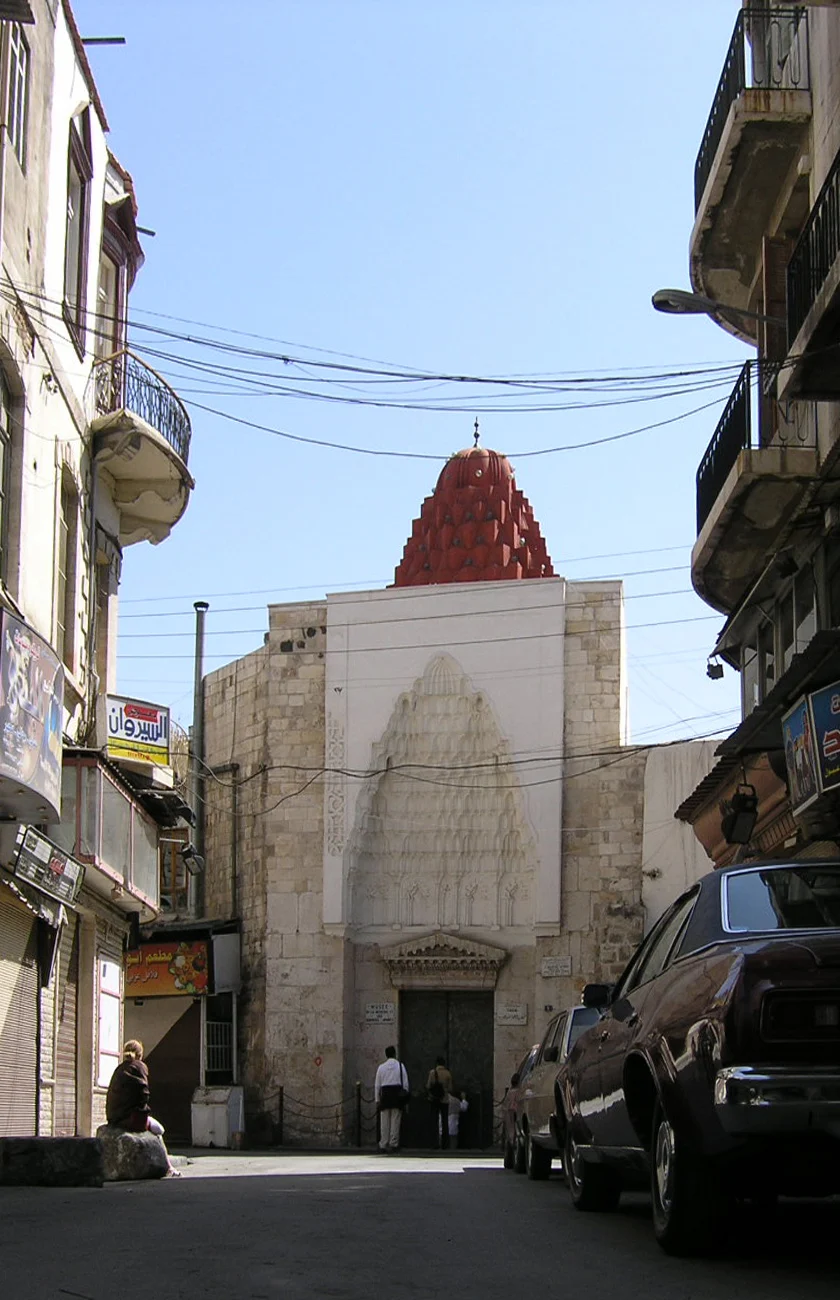
The building’s portal, courtyard and iwans give physical form to a medieval institution supported through charitable endowment. Its historical importance concerns both architecture and the practice of medicine. Discussing waqf—the dedication of resources to an enduring charitable purpose—connects this monument to the wider social life of Islamic cities. Descriptions of historical treatments should not be mistaken for medical advice today.
Your visit
Look for the entrance, the arrangement around the courtyard and the relationship between open and covered spaces. Interior and museum access must be confirmed rather than assumed. Pair this visit with nearby Old Damascus monuments to explore how worship, education and care formed part of the same urban fabric.
Mimari veya medeniyet alanı
Atfın anlamı
Mimari veya medeniyet alanı. Bir makam tek başına mezarı kanıtlamaz. Her sayfa tarihsel belgeyi yaşayan ziyaret geleneğinden ayırır.
Ziyaret adabı
Mütevazı giyim beklenir. Namaz vakitlerine ve görevlilerin yönlendirmelerine uyun; fotoğraf için izin isteyin.
Durum ve erişim
Saatler ve kıyafet kuralları yerelden teyit edilir. Ziyaret ancak saatler, erişim ve güzergâh yerelden teyit edildikten sonra programa alınır.