Damaskus
Artikel penuh tersedia dalam bahasa Arab dan Inggris
Why it matters
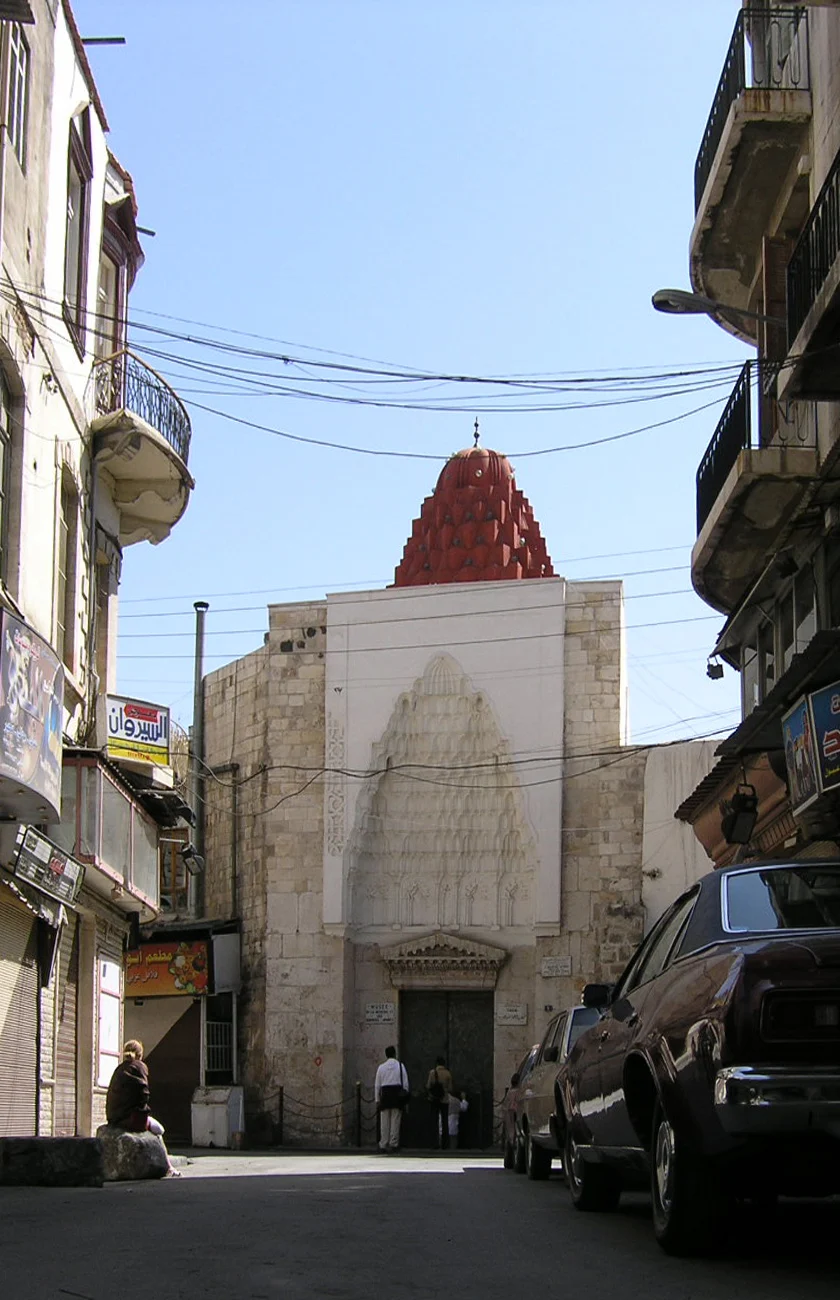
Founded in 1154 by Nur al-Din Mahmud ibn Zangi, this bimaristan opens a different window onto Islamic heritage: the care of the sick and the organisation of medical knowledge. A bimaristan was a hospital. Its presence in the heart of Damascus helps visitors see the city as a place of public service and learning, alongside its mosques and shrines.
Historical context
The building’s portal, courtyard and iwans give physical form to a medieval institution supported through charitable endowment. Its historical importance concerns both architecture and the practice of medicine. Discussing waqf—the dedication of resources to an enduring charitable purpose—connects this monument to the wider social life of Islamic cities. Descriptions of historical treatments should not be mistaken for medical advice today.
Your visit
Look for the entrance, the arrangement around the courtyard and the relationship between open and covered spaces. Interior and museum access must be confirmed rather than assumed. Pair this visit with nearby Old Damascus monuments to explore how worship, education and care formed part of the same urban fabric.
Situs arsitektur atau peradaban
Makna penisbatan situs
Situs arsitektur atau peradaban. Keberadaan maqam tidak dengan sendirinya membuktikan adanya makam. Karena itu, setiap kartu dan halaman menjelaskan klasifikasi sejarahnya serta membedakan bukti tertulis dari tradisi keagamaan yang hidup.
Adab berkunjung
Kenakan pakaian yang sopan. Hormati waktu salat dan arahan pengelola situs; mintalah izin sebelum memotret orang yang beribadah atau pengunjung.
Kondisi dan akses
Waktu buka dan persyaratan pakaian diperiksa secara lokal. Kunjungan hanya dimasukkan setelah jam buka, akses, dan kondisi rute diperiksa secara lokal berdasarkan informasi terbaru.