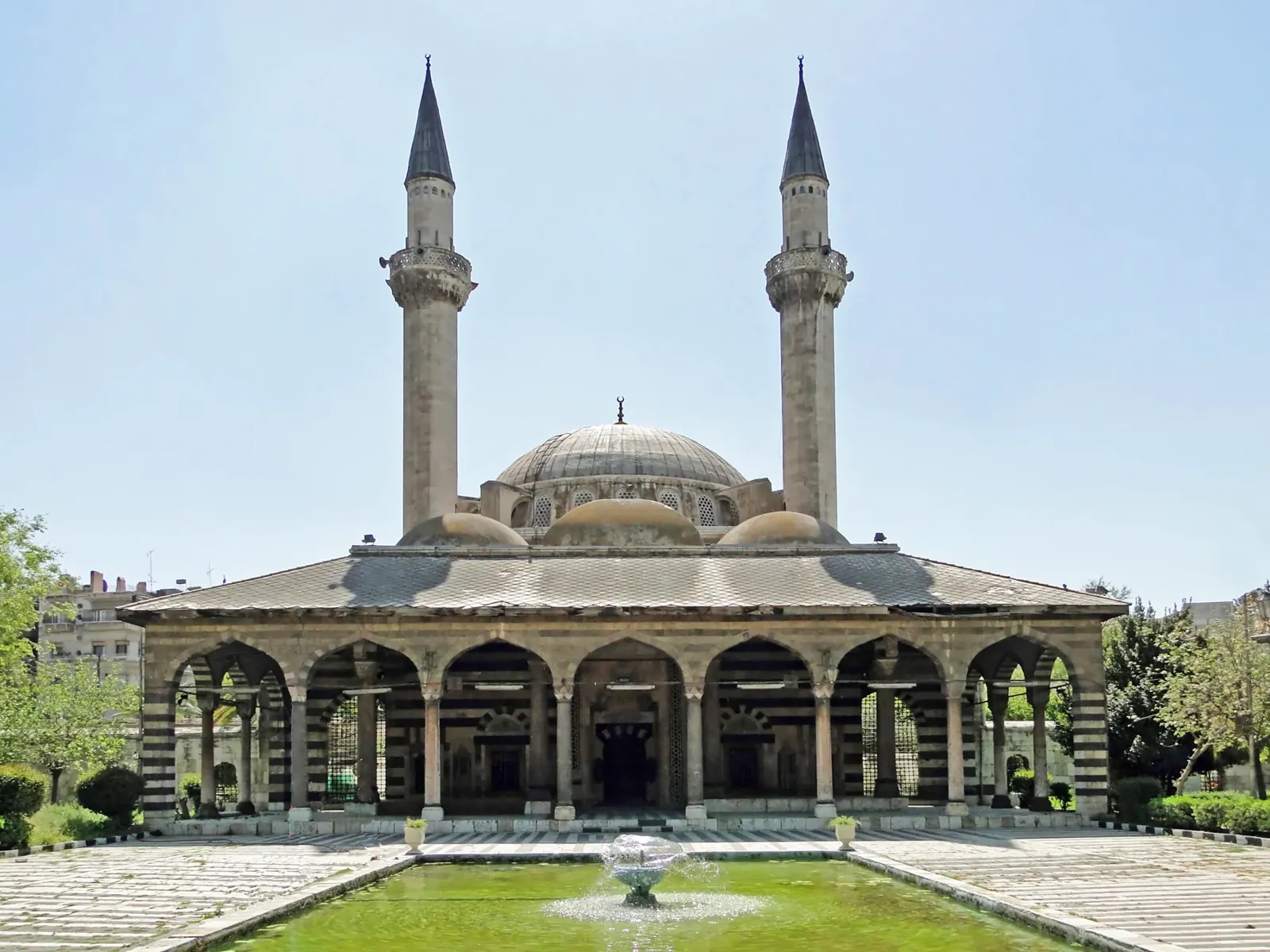
Damascus
L’article détaillé est disponible en arabe et en anglais
Why it matters
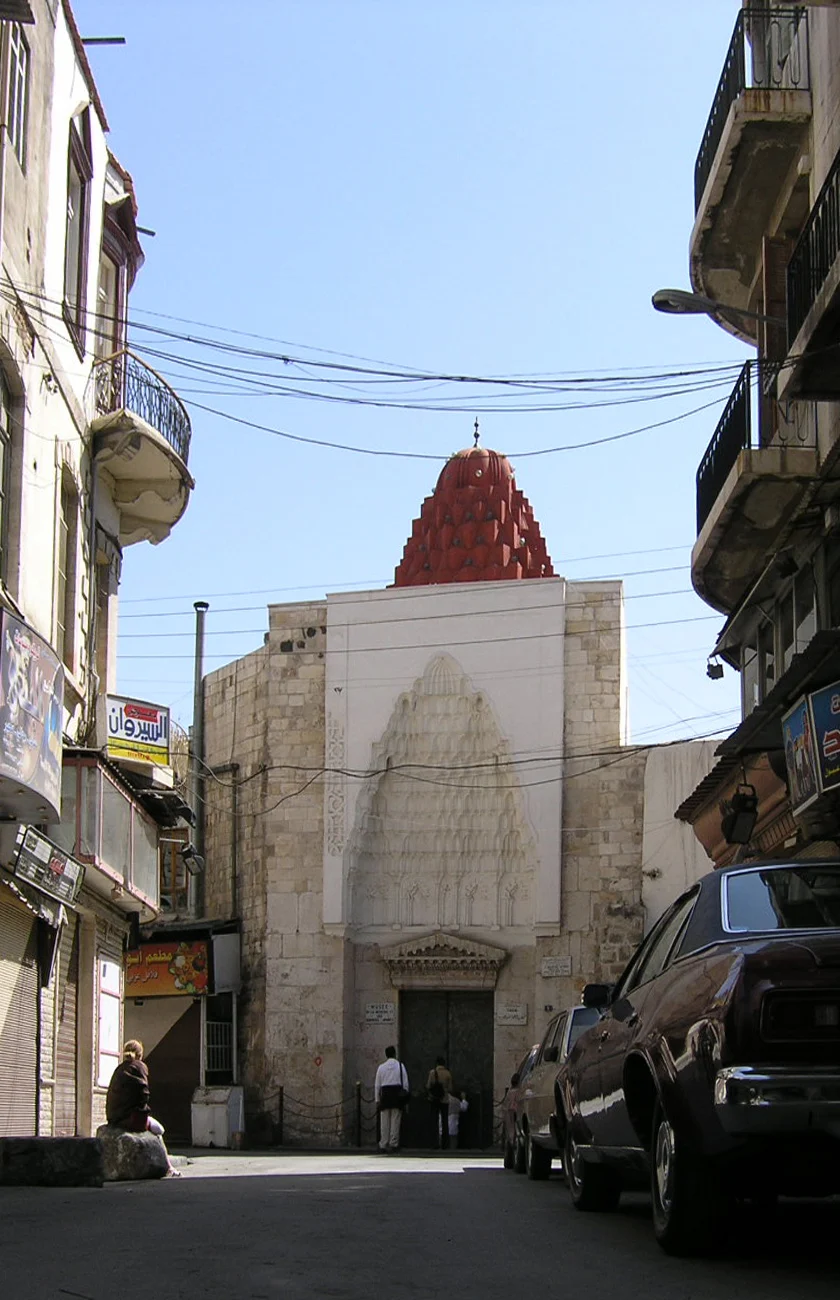
Founded in 1154 by Nur al-Din Mahmud ibn Zangi, this bimaristan opens a different window onto Islamic heritage: the care of the sick and the organisation of medical knowledge. A bimaristan was a hospital. Its presence in the heart of Damascus helps visitors see the city as a place of public service and learning, alongside its mosques and shrines.
Historical context
The building’s portal, courtyard and iwans give physical form to a medieval institution supported through charitable endowment. Its historical importance concerns both architecture and the practice of medicine. Discussing waqf—the dedication of resources to an enduring charitable purpose—connects this monument to the wider social life of Islamic cities. Descriptions of historical treatments should not be mistaken for medical advice today.
Your visit
Look for the entrance, the arrangement around the courtyard and the relationship between open and covered spaces. Interior and museum access must be confirmed rather than assumed. Pair this visit with nearby Old Damascus monuments to explore how worship, education and care formed part of the same urban fabric.
Site architectural ou civilisationnel
Ce que signifie l’attribution
Site architectural ou civilisationnel. Un maqam ne prouve pas à lui seul une sépulture. Chaque fiche distingue donc histoire documentaire et tradition vivante.
Respect du lieu
Une tenue modeste est attendue. Respectez les prières et les consignes ; demandez avant de photographier.
État et accès
Horaires et tenue vérifiés localement. La visite n’est incluse qu’après vérification locale des horaires, de l’accès et de l’itinéraire.