Damascus
Το πλήρες άρθρο διατίθεται στα αραβικά και αγγλικά
Why it matters
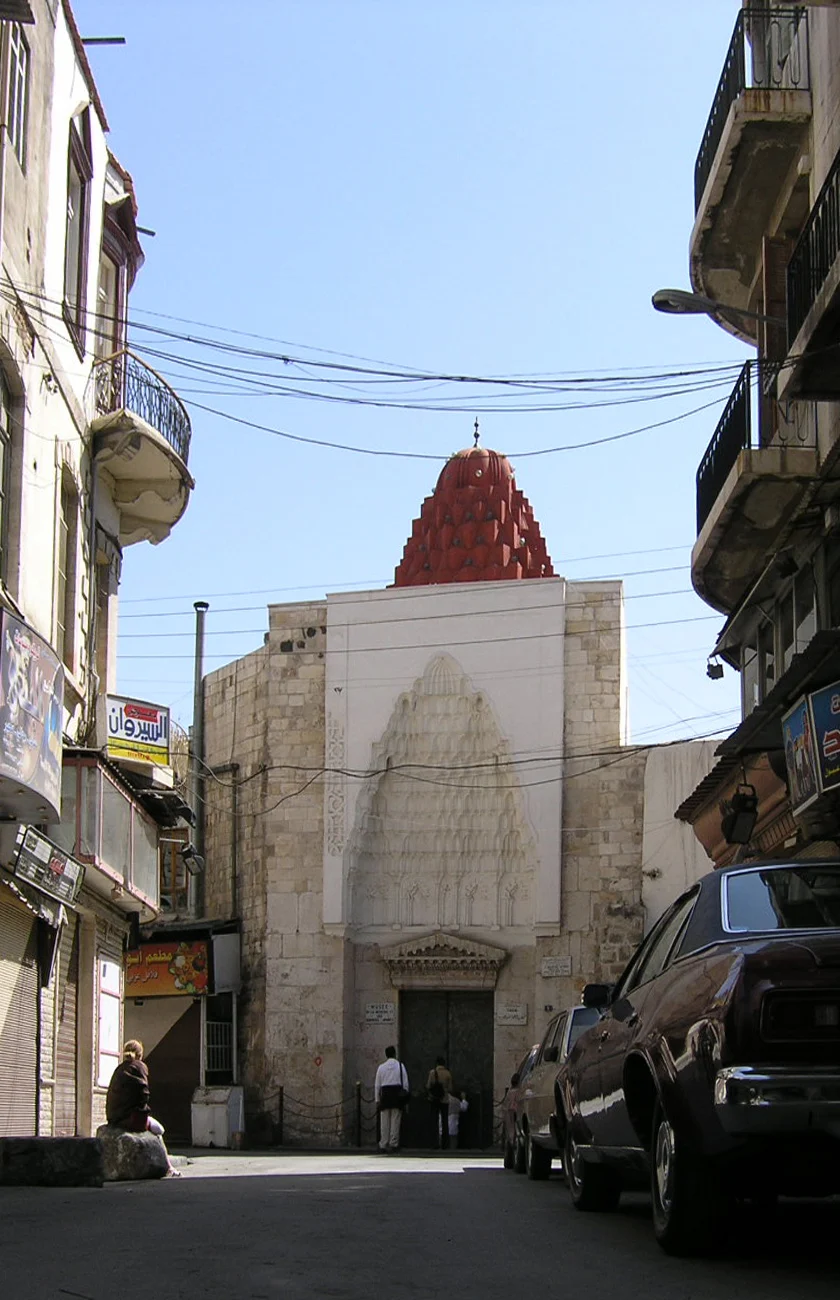
Founded in 1154 by Nur al-Din Mahmud ibn Zangi, this bimaristan opens a different window onto Islamic heritage: the care of the sick and the organisation of medical knowledge. A bimaristan was a hospital. Its presence in the heart of Damascus helps visitors see the city as a place of public service and learning, alongside its mosques and shrines.
Historical context
The building’s portal, courtyard and iwans give physical form to a medieval institution supported through charitable endowment. Its historical importance concerns both architecture and the practice of medicine. Discussing waqf—the dedication of resources to an enduring charitable purpose—connects this monument to the wider social life of Islamic cities. Descriptions of historical treatments should not be mistaken for medical advice today.
Your visit
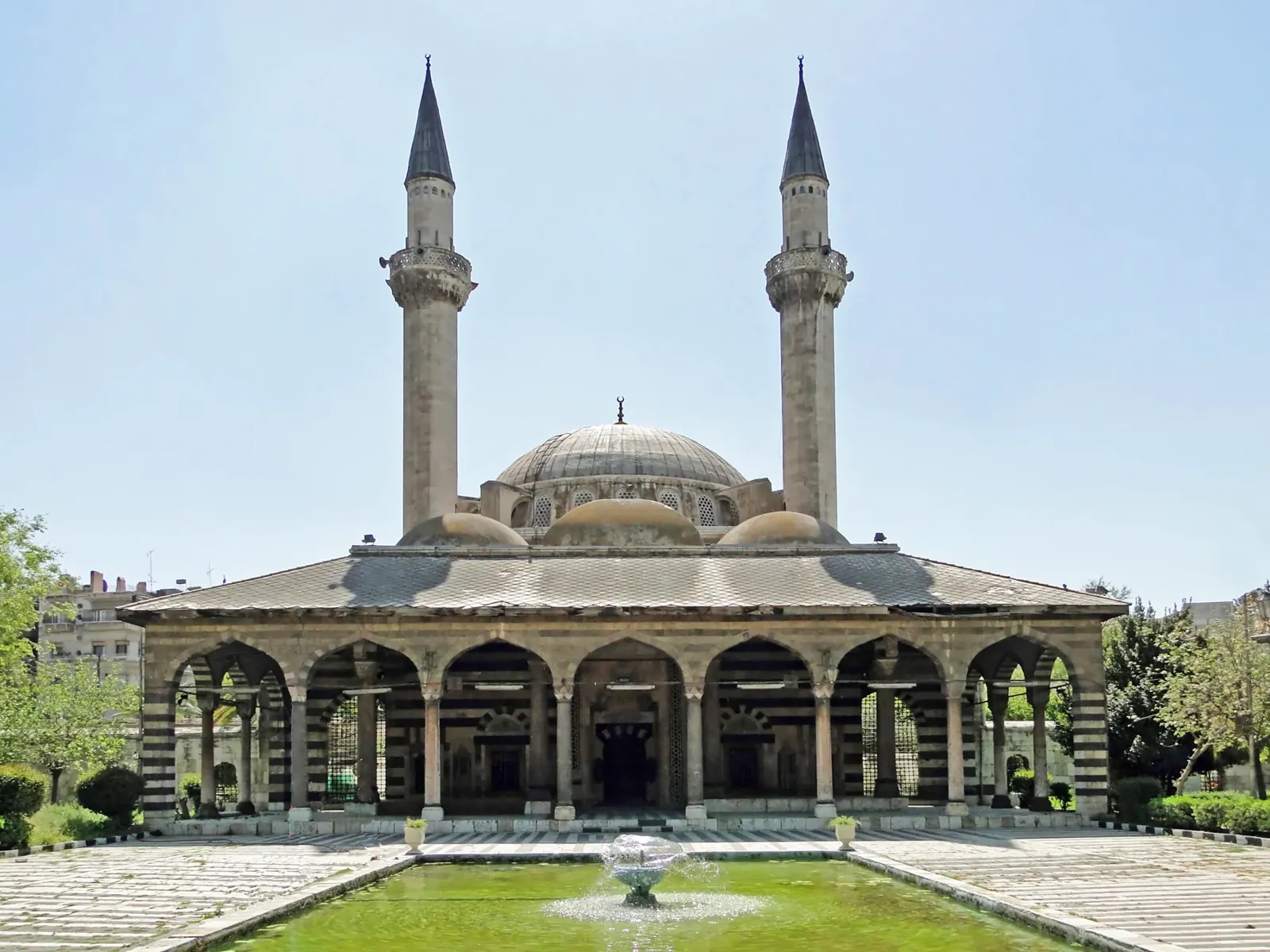
Look for the entrance, the arrangement around the courtyard and the relationship between open and covered spaces. Interior and museum access must be confirmed rather than assumed. Pair this visit with nearby Old Damascus monuments to explore how worship, education and care formed part of the same urban fabric.
Αρχιτεκτονικός ή πολιτισμικός χώρος
Τι σημαίνει η απόδοση
Αρχιτεκτονικός ή πολιτισμικός χώρος. Ένα μακάμ δεν αποδεικνύει από μόνο του ταφή. Κάθε σελίδα διακρίνει την τεκμηρίωση από τη ζωντανή παράδοση.
Εθιμοτυπία επίσκεψης
Αναμένεται σεμνή ενδυμασία. Σεβαστείτε ώρες προσευχής και οδηγίες· ζητήστε άδεια για φωτογραφίες.
Κατάσταση και πρόσβαση
Ώρες και ενδυματολογικοί κανόνες ελέγχονται τοπικά. Η επίσκεψη εντάσσεται μόνο μετά από τοπικό έλεγχο ωρών, πρόσβασης και διαδρομής.